
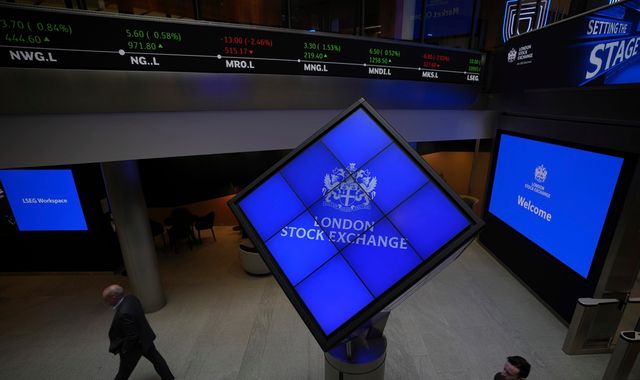
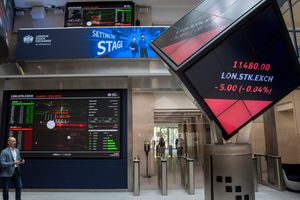
Passing the 10,000-point barrier is a largely symbolic milestone for the FTSE 100, but it underlines an upward trend for the index of the UK's largest companies and offers some cautious optimism for the year ahead.
Founded in 1984 with an index value of 1,000, last year was the FTSE's best since 2009, rising 21.5% despite gloomy prognostications about the future of London as a trading centre in the shadow of mighty tech-driven American markets.
The FTSE 100 has defied those forecasts thanks to a combination of the companies it represents and those it omits.
London remains home to a healthy blend of major players in sectors that have thrived in recent months: banking, mining, defence, oil and gas, along with pharmaceuticals and consumer brands.
What it does not include is any tech giants, and with concerns over the stratospheric valuations assigned to US megascalers driving the AI boom, the FTSE offers a means of diversifying portfolios and hedging risk should the bubble burst.
Defence stocks led by Rolls-Royce have benefitted from the commitment to greater European defence spending, while mining has been boosted by the rush to gold as a safe haven and a rally in silver, a crucial material in electrification technologies.
Precious metal miner Fresnillo was the best performer on the FTSE 100 in 2025, up more than 360%.
Banks and financial services, meanwhile, were grateful for the absence of tax-raising measures in the last budget, crowning a year that saw Lloyds up 80%, Standard Chartered and Prudential more than 70% and Barclays more than 60%.
Pharmaceutical giants AstraZeneca and GSK have held their own, too, despite neither having a GLP-1 weight loss drug in the market, helped by the recent UK-US pharmaceuticals deal that will see NHS drugs spending increase.
Cause for optimism - but not so rosy in the UK
If these buoyant valuations feel at odds with the gloom that pervades in the real economy, it's worth remembering that while they may be listed in the UK, FTSE 100 constituents like HSBC, Anglo American, BAE Systems, Shell, Unilever and AstraZeneca are international players that generate the bulk of their revenue overseas.
The FTSE 250, an index of the next largest tranche of British companies with greater exposure to UK trends, was up just 9% in 2025.
But a buoyant start to the trading year after a rewarding 2025 for investors in London does give cause for optimism.
All stock market speculation is in part a bet on the future and, with inflation and interest rates falling and forecast to continue in 2026, a wager on better vibes might be rewarded.

(c) Sky News 2026: Major FTSE record as much about companies not in the index as the ones that are
 Snow warnings upgraded with bitterly cold weather expected to grip UK this weekend
 US 'locked and loaded' Trump warns Iran, as he pledges to rescue protesters
 Tesla loses title of world's biggest electric vehicle maker to Chinese rival BYD
 Suspect charged with murder after death of man in Bury on New Year's Eve
 How Britain's children are being exposed and becoming addicted to porn
 Man dies after New Year's Day swim at Brighton beach
 Chickenpox vaccine being rolled out on NHS for first time
 FTSE 100 breaks 'historic' 10,000 points mark for the first time in 'best present chancellor could want'